Throughout the history of the United States, equality for all people has been fought for and won time and time again. Thomas Jefferson wrote in the Declaration of 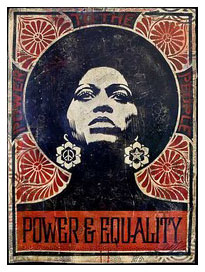 Independence ”that all men are created equal,” and over time equal rights have been gradually extended to different groups of people. However, equality has never been achieved without heated debate, despite our country’s founding principle that all people are created equal in the first place.
The language used to seek equality has remained familiar over time. Posters demanding equal rights (pictured) contain messages we have all seen or heard. One of my theories is that since the human life span is finite, the message of equality has to be relearned by each generation as it comes to realize that more work needs to be done.
If humans lived longer, would full equality across racial and gender lines have been acquired by now? Ask yourself: Would women suffragists from the 1920s, who so 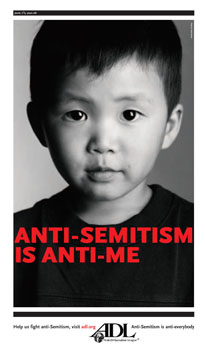 vehemently demanded the right to vote, think it was fine for African Americans to be denied this same right? It depends. My theory also includes the caveat that empathy for others does not always translate into citizens banding together for the greater good. Then again, the social evolution of the United States is progressing. This progression is the reason the language and message of equality remains relevant.